


Loading cart contents...

Say Goodbye to Pond Sludge: Simple Steps for a Cleaner Pond
Over time, leaves, fish waste, uneaten food, and other organic debris naturally settle to the bottom of your pond. As this material breaks down, it can create a layer of sludge that affects water quality and takes away from the beauty of your pond.
The good news? A little routine maintenance can help keep sludge under control and your pond looking clean and clear.
What Causes Pond Sludge?
Pond sludge is made up primarily of decomposing organic matter. Fallen leaves, dying aquatic plants, fish waste, pollen, and other debris eventually make their way to the pond bottom, where they begin to break down.
A small amount of organic material is normal in an ecosystem pond, but excessive buildup can contribute to cloudy water, unwanted odors, and poor water quality. Removing excess debris and supporting the pond’s natural biological processes can help prevent sludge from becoming a problem.
Remove Excess Debris
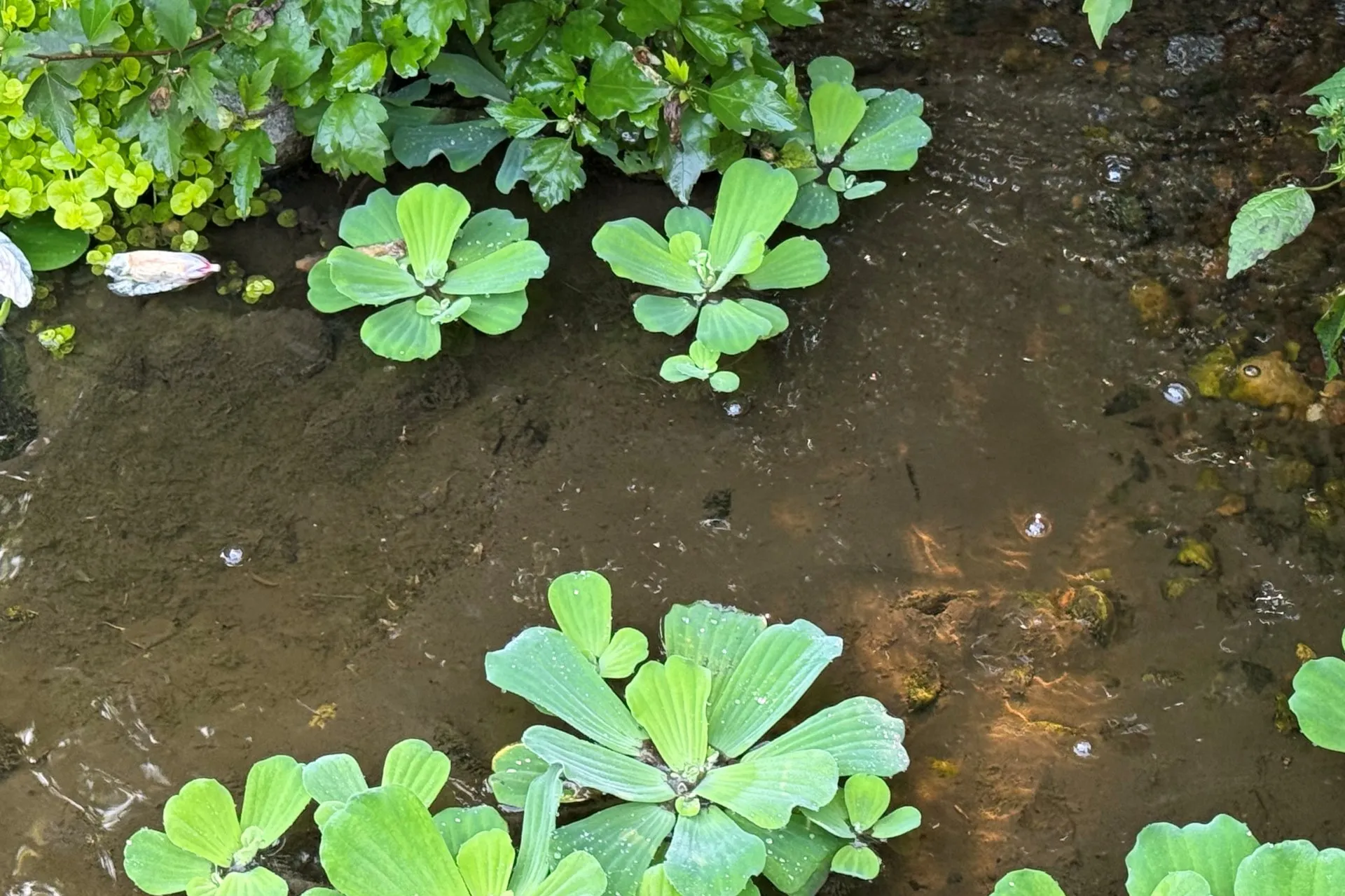
One of the easiest ways to control sludge is to remove organic debris before it has a chance to decompose. Regularly empty your skimmer basket or net, trim yellowing or dying aquatic plant foliage, and use a pond net to remove leaves and other debris from the water. Focus on areas where leaves and sediment tend to collect.
Put Beneficial Bacteria to Work
You don’t have to remove every bit of organic material by hand. Beneficial bacteria are an important part of a healthy pond ecosystem and naturally help break down organic waste.
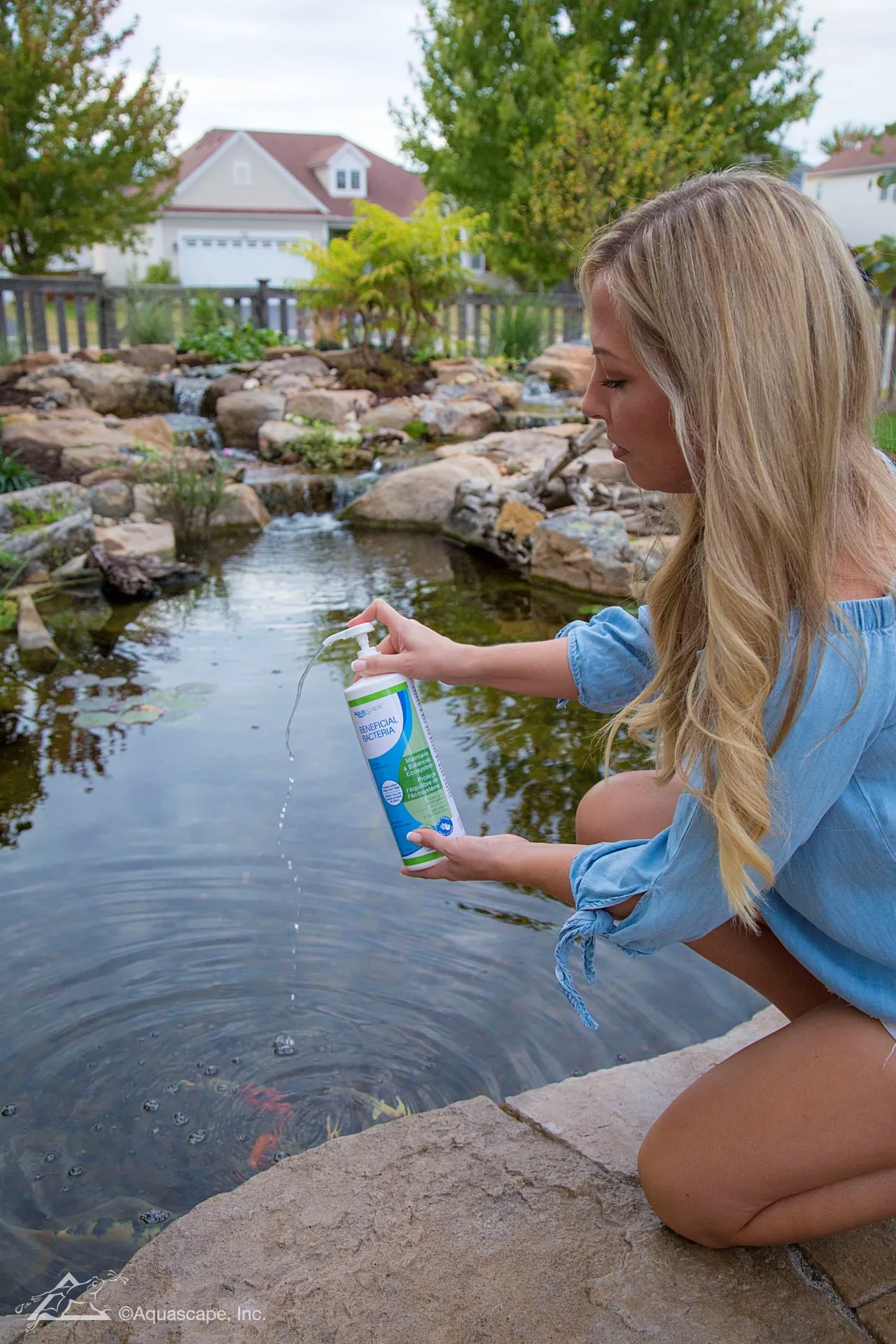
Adding a quality Beneficial Bacteria treatment regularly throughout the season helps support this natural process. For heavier buildup, a sludge-reducing bacteria treatment can target organic debris that collects along the pond bottom and in areas where water movement is limited.
Keep Water Moving and Properly Filtered
Good circulation and filtration also play an important role in maintaining clear, healthy water. Your pond pump should provide adequate circulation, while mechanical filtration helps capture debris and biological filtration provides a home for beneficial bacteria.
Check your skimmer and filter regularly and clean them as needed. Avoid overcleaning biological filter media with chlorinated tap water, which can reduce the population of beneficial bacteria your pond relies on.
Don’t Overfeed Your Fish
Your fish might act like they’re always hungry, but overfeeding adds unnecessary nutrients and organic waste to the pond. Feed only what your fish can consume within a few minutes and remove any uneaten food.
The right amount of fish food helps keep your koi and goldfish healthy while reducing the amount of waste that eventually settles to the pond bottom.
Stay Ahead of Falling Leaves
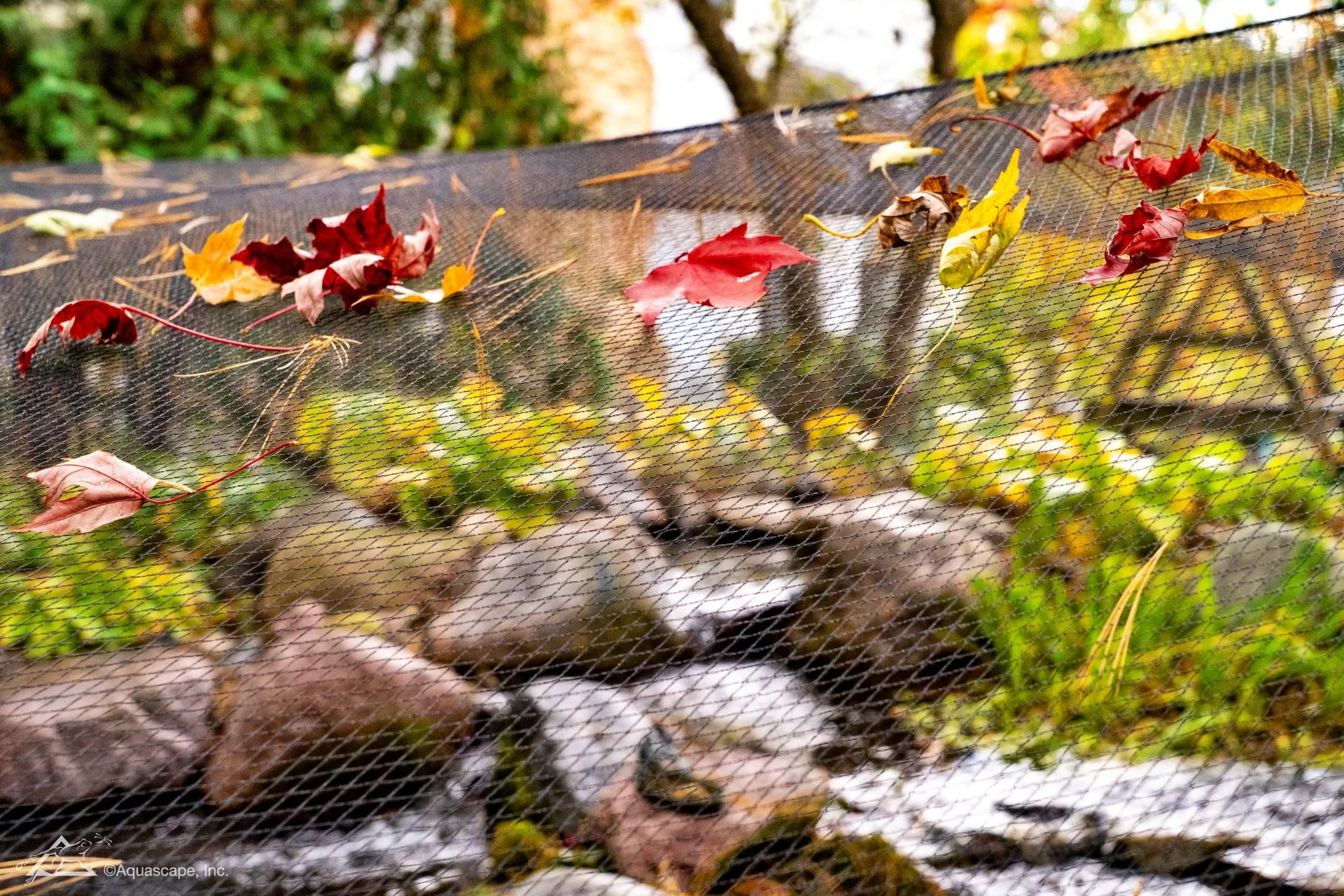
As late summer transitions into autumn, falling leaves can quickly add to the amount of organic material in your pond. Installing pond netting before leaves begin to drop is one of the simplest ways to prevent future sludge buildup.
Continue removing dying aquatic plant material throughout the season so it doesn’t sink and decompose over the winter.
A Little Maintenance Goes a Long Way
A perfectly spotless pond isn’t the goal. Your pond is a living ecosystem, and some organic material is completely natural. The key is preventing excessive buildup.
By removing debris, maintaining proper filtration and circulation, adding beneficial bacteria, feeding fish appropriately, and staying ahead of seasonal leaves, you’ll spend less time dealing with sludge and more time enjoying a beautiful, clear pond.
Related posts
Spring Pond Startup Made Simple
Now that winter has faded and temperatures are rising, it’s time to bring your pond back to life. A proper spring startup sets the tone for a clean, healthy, and enjoyable water feature all season long. And the good news is, it’s easier than you might think. Whether your pond is small or large, a…
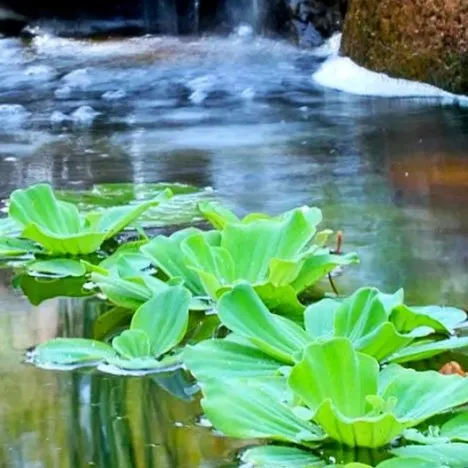
Floating Pond Plants: Nature’s Waterborne Wonders
Floating pond plants do just as their name indicates – they happily float on the surface of the pond. Their roots dangle beneath the plant, absorbing all their nutrients from the water. The best traveled of any of the aquatic plants with no soil or rocks to hold them down, they peacefully drift along with…

Butterfly Koi: Mutts or Beautiful Jewels of the Pond?
Butterfly koi are beautiful, elegant fish – but did you know that quite a few koi connoisseurs think of them as mutts? Some go so far as to say they’re not even koi. Let’s take a look at how butterfly koi originated so you can decide for yourself if you think these long-finned creatures are…