





Loading cart contents...




How to Care for Pond Fish During Seasonal Changes
Even in regions with milder winters, the cold season can take a toll on your pond fish. No one wants to lose a beloved finned friend, so it’s important to know what to watch for during the spring season to keep them healthy.
Spotting Signs of Illness
You don’t need to be a fish vet to determine if something is wrong with your koi. Simply monitor your fish’s health by observing their appearance and behavior. Watch for these common warning signs:
- Clamped fins
- Redness on the body or fins
- Swollen eyes or lips
- Fraying or decaying fins
- White, slimy patches
- A fish isolating itself from the others
These symptoms may indicate that the stress of winter—combined with the possibility of parasites—has weakened your fish.
Waking from Winter Dormancy
Fish are cold-blooded animals, which means they rely on their environment to regulate body temperature. During winter, they produce specialized enzymes, called isoenzymes, to keep their basic functions running in the cold. As spring arrives and water temperatures rise, these enzymes stop working, and your pond fish switch back to their normal enzyme systems.
This transition creates a vulnerable window: the fish’s immune system hasn’t fully ramped up, but bacteria and parasites are already multiplying rapidly. It’s during this period that fish are most at risk of illness.
Spring Watch: What to Look For
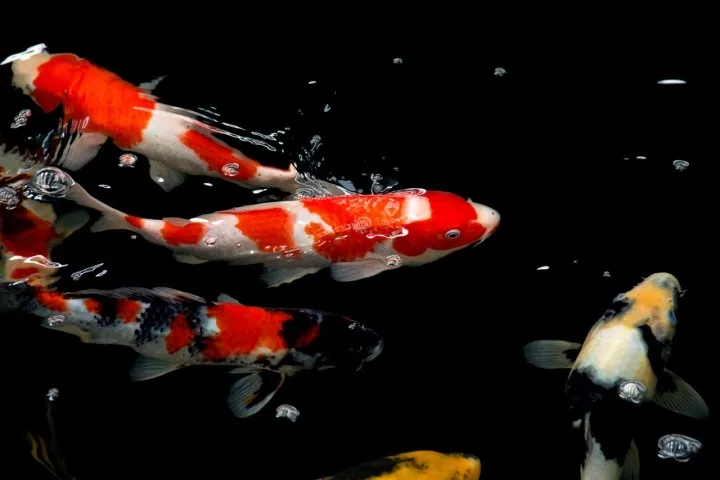
After ice melts and the water gets warmer, pond fish become more active. Keep an eye out for any unusual behavior or physical changes. Spring is prime time for hidden parasite issues or bacterial infections to surface.
If you suspect a parasite problem, consider treating your pond with Aquascape Pond Salt to combat parasites that may have gained ground over the winter. Use three pounds of salt per 100 gallons of water if you suspect a problem. However, be cautious—salt can damage aquatic plants. Be sure to remove any potted waterlilies or sensitive vegetation before treatment.
Time for a Spring Clean
If your pond has a healthy ecosystem—with fish, plants, rocks, gravel, and good filtration (mechanical and biological)—nature typically handles water quality. But if fallen leaves and other debris were left in the pond over winter, a spring cleaning can help restore balance and protect your fish.
Some pond owners do a cleanout every year, while others stretch it out over several seasons. Whether you tackle it yourself or hire a professional, a thorough spring clean helps keep your pond and its residents in top shape. Protect for Ponds is an excellent water treatment to add to your pond after its spring cleaning. Its special formulation effectively reduces fish stress, prevents parasites and bacterial infections, and accelerates the healing of superficial wounds, scrapes, cuts, and breeding abrasions.
Common Symptoms and Treatments
Fish add color and life to your pond, and no one likes to see their fish become sick or unencumbered in any way. Aquascape offers a line of fish treatments that target most issues experienced by pond fish. Use our handy chart to identify the problem and treat with the corresponding product.
Related posts
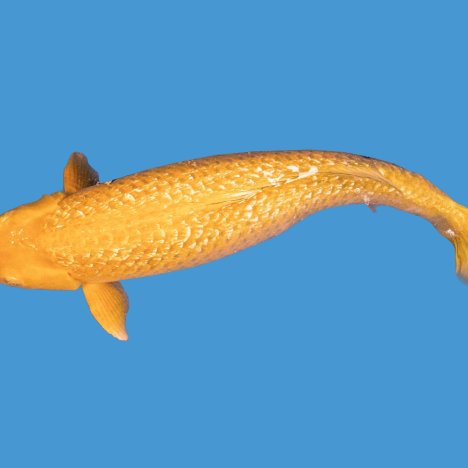
Chagoi Koi: The Fish with the Best Personality
Chagoi Koi is a delightful addition to any water garden.

How Many Fish Can You Add to Your Pond?
Too many fish in the pond creates an imbalance in water, so you’ll want to make sure you’re smart about the number and size of fish that you place in the water garden.

5 Tips for Feeding Fish
Feeding your fish is a fun activity that the whole family will enjoy. In the beginning, after you first bring your fish home, they will be a little shy and not seem interested in what you’re feeding them. Don’t worry too much about this…