





Loading cart contents...

Dragonflies: Amazing Acrobats And Best Backyard Pond Guardians
Dragonflies are among the most fascinating and beneficial insects you can attract to your backyard pond. With their iridescent wings, vibrant colors, and graceful flight, these ancient creatures add beauty, movement, and ecological value to any garden. More than just a delight to watch, dragonflies play an important role in maintaining the health and balance of pond ecosystems.
These winged creatures have existed for over 300 million years, predating dinosaurs. They belong to the order Odonata, which also includes damselflies. As both larvae (nymphs) and adults, dragonflies are highly effective predators. Their presence near a pond helps keep insect populations in check—especially mosquitoes. A single dragonfly can eat hundreds of mosquitoes in a day, making them a natural and chemical-free form of pest control.

Dragonfly nymphs live in water and can spend several months to years in this stage, depending on the species. During this time, they hunt other aquatic insects, mosquito larvae, and even small tadpoles or fish fry (baby fish). As such, they contribute to the natural population control of potential pests and help balance the pond’s aquatic food web. When they mature and emerge as adults, dragonflies continue their predatory lifestyle, catching flies, gnats, and midges in midair.
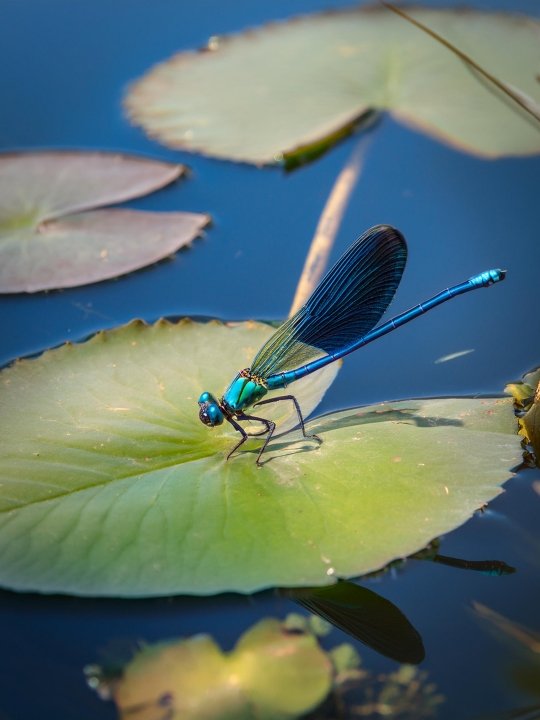
Attracting these aerial acrobats to a backyard pond is relatively simple, especially if the pond mimics natural conditions. A pond should have clean water with a variety of plants like waterlilies, iris, or floating plants such as water hyacinth. These plants give dragonfly nymphs places to hide from predators and provide adult dragonflies somewhere to perch or lay eggs. Flat rocks near the pond’s edge provide sunny basking spots for the adults.
To enhance a natural environment that attracts dragonflies, avoid the use of pesticides. Chemical treatments can harm both dragonflies and the aquatic life they depend on. A healthy pond ecosystem that encourages biodiversity will naturally support dragonfly populations.
Additionally, leaving some areas of the garden a little wild—with native plants and minimal disturbance—can provide even more habitat for these beneficial insects.
Beyond their role in pest control, the dragonfly population also serves as bioindicators—organisms that reflect the health of their environment. Because they are sensitive to pollution and water quality, a thriving dragonfly population usually signals a clean, balanced aquatic ecosystem. This makes them valuable not just for pond owners and gardeners, but for scientists monitoring environmental health.
In many cultures, these insects are symbols of transformation, adaptability, and the beauty of change. Watching them skim across the surface of a pond or hover midair is a peaceful and inspiring sight. Their presence brings not only practical benefits but also a touch of magic to any backyard retreat.
Welcoming dragonflies can transform an ordinary yard into a lively, balanced habitat. With their beauty, ecological role, and mosquito-fighting skills, dragonflies truly are among nature’s best backyard allies.
Related posts
Growing Up Around a Pond
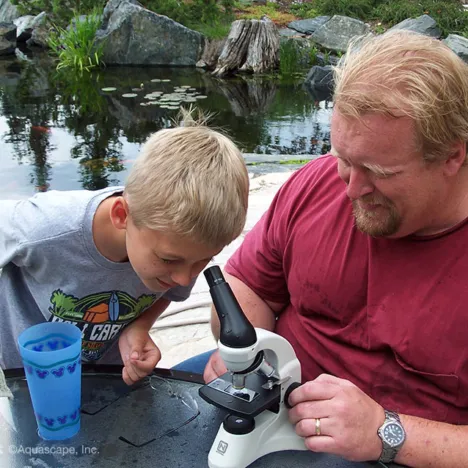
There’s more to having a pond than having fun. You can learn stuff from a pond too. When Mr. Osbourne asked me to write about the things I’ve learned from growing up around a pond, I wasn’t sure if I could do it.
Who Doesn’t Want the Perfect Backyard?
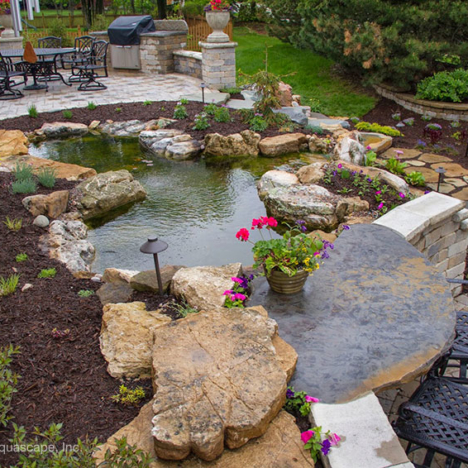
When I think of the perfect backyard, something like this one comes to mind. It has a little of everything … patios, fire pit, plantings, stone pathway, and of course, a pond and waterfall! The design is flawless as one area leads to the next…

Beautiful Ponds and Waterfalls for Backyard Living
More and more people are sprucing up their backyards to create outdoor living environments where they can relax, de-stress, and entertain friends and family. We took a virtual trip across the country, compliments of Houzz, looking for gorgeous ponds…