




Loading cart contents...

Why Is My Pond Water Brown?
Fall brings glorious color to the earth, but this beautiful season can add a tint of brown to your pond water that’s not so pretty. Before you panic and worry about your fish, find out why your pond turns brown and what you can do about it.
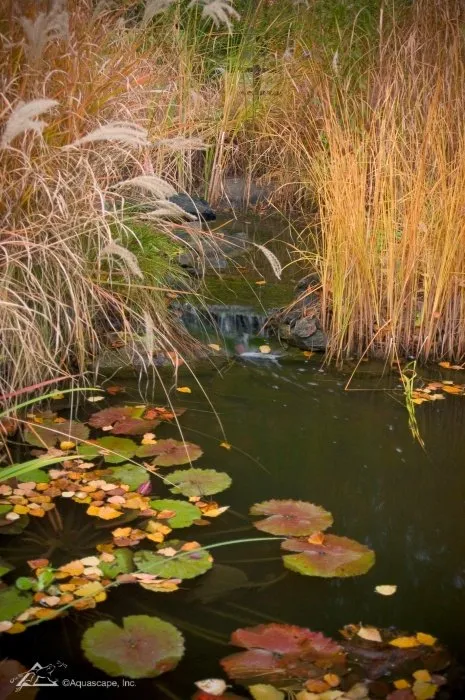
Brown water, better known as tea-colored water, is a common occurrence during the autumn season when deciduous trees and bushes lose their leaves. Leaves and other organic debris contain tannins and when left in the pond, this tannin is released into the water, creating a brown tint.
Although tannins may affect the appearance of the water, they are not necessarily harmful to koi or other pond fish. In fact, tannins can provide mild antimicrobial and antifungal benefits, so lightly tea-colored water is generally more of an aesthetic concern than an immediate threat to fish health.
Brown water can also be created by an excessive build-up of debris on the pond floor. When leaves and debris aren’t removed, they sink to the bottom of the pond where they start to decay and turn into sludge. When the sludge is stirred up by fish, the water can take on a brownish tint.
Both debris tea (tea-colored water) and sludge can be cleared up rather easily, but you need to know which issue your pond is experiencing before you can properly treat the problem. This is where a small mason jar or other glass jar from your kitchen comes in handy.
Fill a small glass jar with your brown pond water and let it sit undisturbed for 24 hours. If sediment settles to the bottom of the jar, you’re dealing with a sludge or sediment problem. If the water is still tea-colored with no sediment, then you’re dealing with debris tea. Both issues are caused by an overabundance of organic matter in the pond, so you’ll want to remove any floating debris or organic matter at the bottom of the pond to keep brown water from recurring.
You can remove sludge from the bottom by hand (some pond owners enjoy any excuse to get in the pond), or you can apply a sludge-fighting water treatment such as Clean for Ponds, Pond Sludge Remover Packs, or Sludge & Filter Cleaner.
Tea-colored water is typically caused by tannins released from leaves and other decomposing organic matter. Activated Pond Carbon is the best choice when pond water is clear but has a brown or yellow tint, or an unpleasant odor. Placed in the filter or another area with strong circulation, the carbon absorbs the dissolved compounds responsible for discoloration.
If the water is cloudy or generally dirty-looking in addition to being discolored, use Clear for Ponds. This liquid treatment contains clarifiers that improve water clarity and help reduce debris on rocks and gravel, along with a phosphate binder that locks up excess nutrients. If pond water is both cloudy and tea-colored, the two products can be used together to address different aspects of the problem.
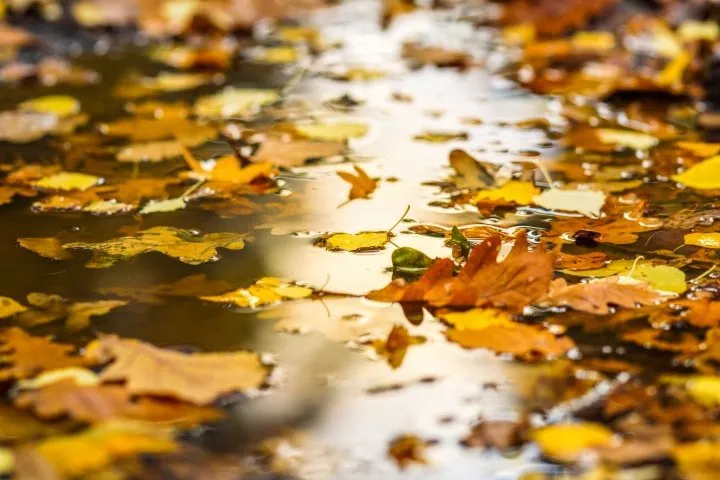
Your best line of defense in combating brown pond water is to keep the problem from occurring in the first place. A mechanical pond skimmer is critical for sweeping your pond surface free of fallen leaves and sticks. Remember to check the skimmer basket more frequently during the fall season and empty it as needed. This just takes a few seconds out of your day.
You can also remove debris from the edges of the pond when you see it accumulating. Check the water surface around lily pads and floating aquatics like water lettuce and hyacinth. Errant leaves love to congregate in these areas and never reach your skimmer. Eventually the fallen leaves will sink to the bottom of the pond where they start the decaying process.
Fall is a wonderful time of year for enjoying your pond with its crisp bright days. A few minutes of your time is all it takes to ensure clean and healthy pond water. Remember Benjamin Franklin’s advice that “an ounce of prevention is worth a pound of cure” and you’ll greatly reduce the possibility of your pond water turning brown.
Related posts

8 Healthy Koi Snacks for the Summer
Veterinarians warn you not to feed table scraps to your pets. But did you know that koi are the exception to this rule?
Pond Plants That Shine in Fall
As summer fades and crisp autumn days arrive, many pond owners assume their pond plants lose their luster. While some tropical varieties begin to decline, there are several hardy pond plants that thrive in cooler temperatures, keeping your water garden vibrant well into fall. Hardy Waterlilies Continue blooming into autumn when days stay mild. Their…
The Secret to Creating a Low Maintenance Pond
The beauty of a low maintenance pond is something everyone can appreciate. A flash of golden fish swimming in clean, clear water beneath the pads of waterlilies is a sight to behold and enjoy. Add the sound of a running waterfall and you have a dream come true in your backyard. Keeping pond water clean…