



Loading cart contents...

It’s Not Cool to Have a Hot Pond
Most pond owners are well aware of the challenges that snow and freezing temperatures can pose for their water features, but fewer realize that the opposite extreme—intense summer heat—can be just as problematic when it creates a hot pond. When temperatures soar for extended periods, pond water can warm up significantly, sometimes climbing above 80 degrees Fahrenheit. At that point, both your fish and plants may begin to show signs of stress—and your once-vibrant water garden can start to suffer.

Pond Fish in Hot Water
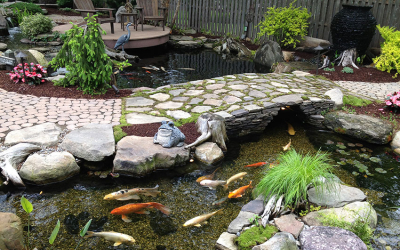
As the water heats up, its ability to hold oxygen decreases. Cooler water holds more oxygen, which is why your fish typically thrive in spring and fall. But as temperatures rise, fish become more active and require more oxygen—right when there’s less of it available. The result? You may notice fish gasping at the surface or crowding near waterfalls, where oxygen levels tend to be higher.
Heat doesn’t just affect oxygen levels. It also speeds up the activity of bacteria, parasites, and viruses in the water. This creates a perfect storm for disease to spread, especially when fish are already stressed and their immune systems are weakened. Since most backyard ponds are stocked with cold-water fish like koi and goldfish, monitoring heat levels is especially important.
Heat-Stressed Plants
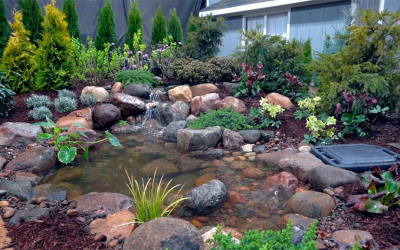
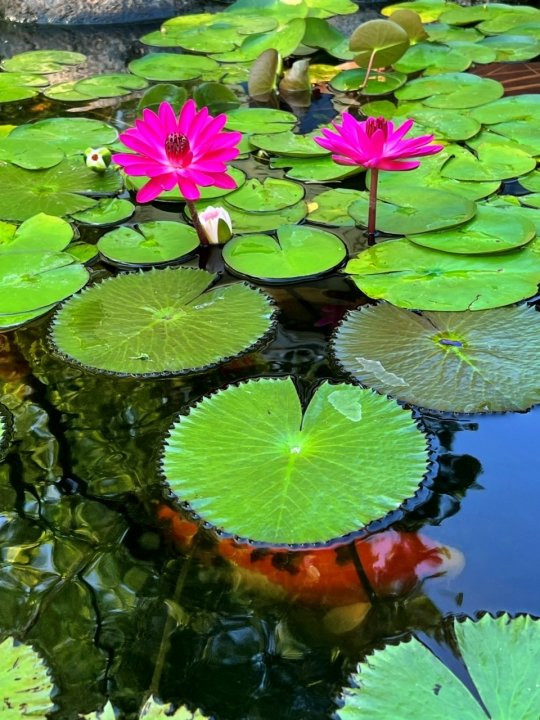
Your aquatic plants can also suffer under the summer sun. Floating plants like water lettuce and water hyacinth may start to yellow or burn, while the pads of hardy waterlilies may turn brown and decay. That’s especially troubling, since lily pads provide critical shade to help keep the water cooler and limit algae growth. Protecting your plants during heatwaves and from a hot pond is essential to maintaining a balanced pond ecosystem.
Smart Solutions for Summer
Fortunately, there are several strategies you can use to help your pond beat the heat. First, depth matters: ponds that are at least two feet deep offer cooler zones at the bottom where fish can retreat. Shade also plays a vital role. Covering one-third to one-half of the pond’s surface with aquatic plants like lilies, water lettuce, or mosaic plant helps block direct sunlight. Overhead shade from trees, shrubs, or nearby buildings adds even more protection.
Good water circulation is another key. Properly placed mechanical skimmers and biological filters should be positioned on opposite sides of the pond to ensure even movement. A Pond Powerhead can also be added to eliminate stagnant “dead zones” and keep water flowing throughout.
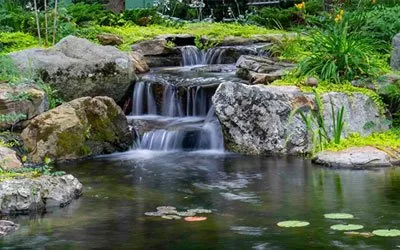
Don’t underestimate the power of your waterfall or stream either—these features naturally oxygenate the water by creating movement and allowing air and water to interact. The bubbling, tumbling action of falling water increases oxygen levels, which is critical in hot weather.

Keeping Cool
A simple pond thermometer is a great tool to monitor your pond’s temperature during the summer months. If you see it approaching or exceeding 80 degrees, you can take action by adding a pond aerator to boost oxygen levels. Another trick is to perform a partial water change, replacing some of the warm water with cooler, fresh water—but always remember to use a water conditioner such as Pond Detoxifier to remove chlorine if you’re using tap water.
Some pond owners also choose to add pond dye during summer. This reduces sunlight penetration and can help keep water temperatures lower while also discouraging algae growth.
You don’t need to obsess over your pond’s temperature every day, especially if you’ve created a balanced ecosystem with strong filtration and circulation. Just keep an eye on your fish. If they’re lingering at the surface or hanging out near the waterfall more than usual, it’s a good sign that the pond could use a little help cooling down.
Summer is a time to enjoy the beauty of your pond, which often becomes the most peaceful and refreshing spot in the yard. By keeping your fish and plants comfortable and healthy through the hottest months, you’ll ensure that your pond remains a serene and low-maintenance retreat all season long.
Related posts

What You Need to Know About Winter Pond and Fish Care
Fish are often the main reason that people choose to have a pond installed in their yard. People aren’t likely to sit and watch their tulips blow in the breeze for hours on end, but a pond owner will most definitely gaze upon their fish for extended

Winter Pump Care
Take precautions to care for your water garden pump properly to lengthen its life.

9 Tips for Winterizing Your Pond
Putting your pond to bed for winter doesn’t need to be an arduous process. Sure, it’s sad to say goodbye to your finned friends for a few months, but following a few simple tips will ensure that your fish joyfully greet you again in the spring.