





Loading cart contents...


Surprising Secrets of a Favorite Pond Plant: The Calla Lily
The calla lily, or Zantedeschia, with its elegant, trumpet-shaped blooms and lush, vibrant foliage, is a beloved staple in gardens and floral arrangements around the world. But beneath its striking beauty lies a world of surprising secrets that make this pondside plant truly extraordinary. From its unique role in ecosystems to its symbolic meanings across cultures and unexpected versatility, the calla lily has much more to offer than meets the eye. Since it doesn’t mind having wet feet, this flower is a great choice to add as a marginal plant to your pond or waterfall. You’ll love the architectural appeal of both its leaves and flowers.


The calla lily is more than just a beautiful garden addition—it has a rich cultural and symbolic significance. Throughout history, the calla lily has represented purity, rebirth, and devotion, making it a popular choice for weddings, religious ceremonies, and Easter celebrations. Its elegant form also conveys sophistication, often adorning bouquets and arrangements for formal occasions. In art and literature, the calla lily has been a muse, celebrated for its timeless beauty and association with serenity and peace. Its versatility in symbolism allows it to embody both solemnity and joy, depending on the context.
Beyond its ornamental value, the calla lily plays an important ecological role in wetland environments. Its roots help stabilize soil and filter water, contributing to a healthier ecosystem for surrounding plants and aquatic life. In its native regions of southern Africa, the calla lily thrives in marshy areas, showcasing its adaptability to different climates and conditions. While it’s a hardy plant in the right environment, proper care can extend its life and beauty in home gardens. By understanding both its natural habitat and its symbolic depth, gardeners can appreciate the calla lily as more than just a decorative plant—it’s a living testament to nature’s ingenuity and cultural resonance.
Related posts

Aquatic Plant Beauties
Summer has officially began! Your aquatic plants are looking healthy and beautiful. You may be considering adding more plants this summer but need help deciding on which ones would fit your water garden best. Here are a few favorites that may help you…

10 Popular Pond Plants You Don’t Want to Miss
Everyone has their favorite collection of pond plants, but there might be some varieties that you haven’t yet added to your water garden. We invite you to consider the following list of popular aquatic plants that make a welcome addition to any pond
How to Plant a Waterlily: Mistakes to Avoid
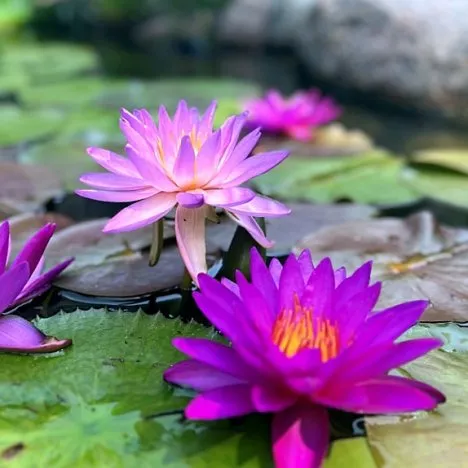
Waterlilies come in a variety of colors and are easy to grow, making them a favorite choice among water gardeners. However, there are a few mistakes you can easily avoid if you want gorgeous, prolific blooms throughout the summer season. And if you don't have a pond, no worries! You can grow these beautiful blooms…