




Loading cart contents...


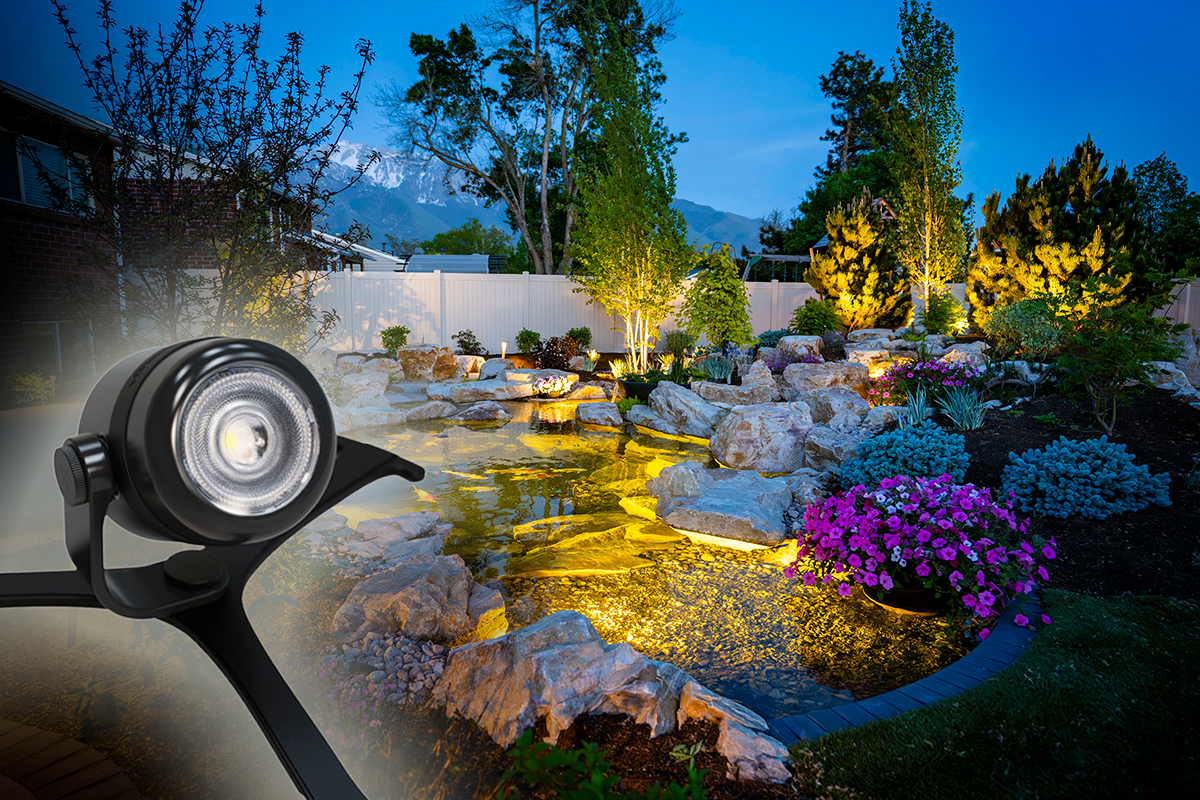
March Pond Checklist: How to Wake Up Your Pond for Spring
March is the month of anticipation for pond owners. The ice is melting, the days are getting longer, and your water feature is slowly stretching awake after winter. Even if the water is still chilly, now is the perfect time to set the stage for a healthy, clear, and vibrant pond season. A little early attention goes a long way in preventing problems later, and it makes that first warm spring day beside your waterfall even more rewarding. Keep reading to see our pond checklist for the month of March.

Clear Out Winter Debris
Winter winds have a way of delivering leaves, twigs, and organic debris straight into your pond. Before this material sinks and begins to decompose, skim it off the surface and remove buildup around the edges.
Why it matters:
Decaying debris contributes to excess nutrients in the water, which can fuel algae blooms and impact overall water quality. A quick cleanup now helps prevent murky water and maintenance headaches later.
Inspect and Prepare Your Equipment
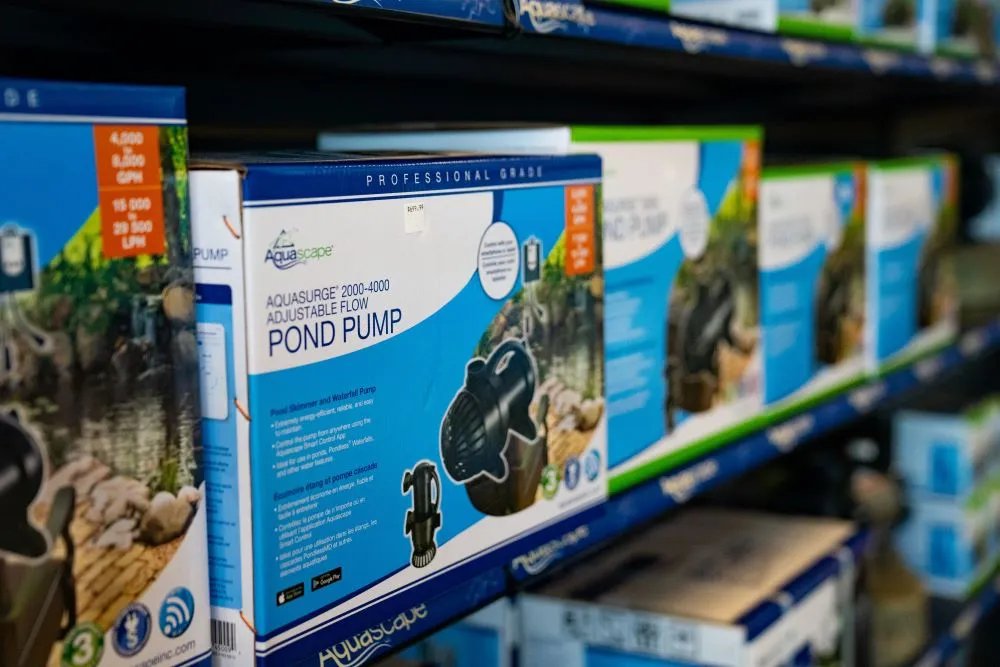
If you shut down and stored your pump and filtration components for the winter, March is the time to bring them out for inspection. Check for cracks, worn fittings, or buildup. Clean everything thoroughly and ensure it’s functioning properly before reinstalling.
Why it matters:
A properly functioning pump and filtration system are the heart of a healthy pond. Catching small issues now prevents bigger problems once fish and plants become active.
Monitor Water Temperature
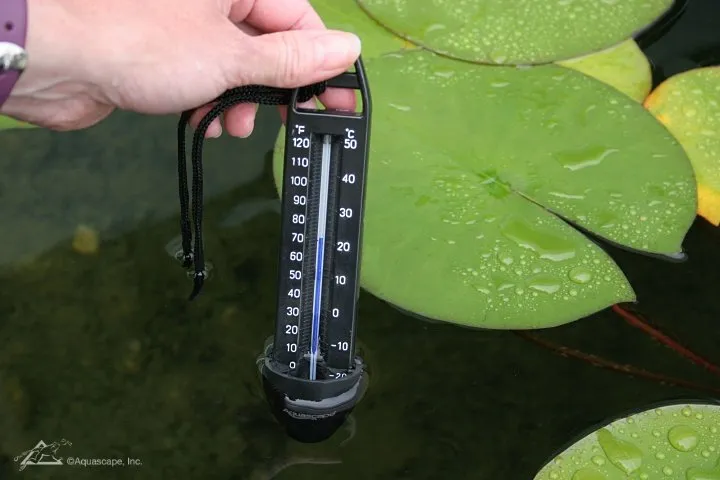
Even before your fish are swimming energetically, place a pond thermometer in the water. Tracking temperature trends helps you make smart, timely decisions. Be sure to include fish monitoring as part of your pond checklist.
As temperatures rise:
- You’ll know when it’s safe to begin feeding fish again.
- You can determine when to transition between types of beneficial bacteria.
- You’ll have insight into your pond’s natural seasonal rhythm.
If you like to delve into the science of pond keeping, you can also test your water parameters, including ammonia, nitrites, pH, KH (carbonate hardness), and copper levels. Early testing gives you a baseline and allows you to correct imbalances before they escalate.
Add Early-Season Beneficial Bacteria
When water temperatures are between 32°F and 50°F, Cold Water Beneficial Bacteria are your best friend. These specialized strains are formulated to work in chilly conditions, helping jump-start your biological filtration.
Why it matters:
Adding cold-water bacteria early helps break down organic waste before it becomes a problem. This proactive step reduces the likelihood of cloudy water and spring algae outbreaks, setting your pond up for clarity and balance as temperatures continue to rise.
Set the Tone for the Season
March is less about dramatic change and more about thoughtful preparation. Your pond checklist includes quick debris cleanup, equipment check, temperature monitoring, and an early boost of beneficial bacteria to create a strong foundation for the months ahead.
By taking these simple steps now, you’ll transition smoothly into full spring startup, and when your waterfall is flowing, your fish are active, and your water is crystal clear, you’ll be glad you gave your pond a head start.
Related posts
Spring Pond Startup Made Simple
Now that winter has faded and temperatures are rising, it’s time to bring your pond back to life. A proper spring startup sets the tone for a clean, healthy, and enjoyable water feature all season long. And the good news is, it’s easier than you might think. Whether your pond is small or large, a…
Floating Pond Plants: Nature’s Waterborne Wonders
Floating pond plants do just as their name indicates – they happily float on the surface of the pond. Their roots dangle beneath the plant, absorbing all their nutrients from the water. The best traveled of any of the aquatic plants with no soil or rocks to hold them down, they peacefully drift along with…
Pondering Your Pond Fish: Your Unusual Questions Answered!
You may have wondered if your pond fish sleep, or whether they have teeth. You might also contemplate why fish smell or how much koi cost. We consulted with koi veterinarian Doctor Eric Johnson, also known as Doc J, on these and other puzzling questions about koi and goldfish. You might be surprised to find…